Overview
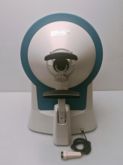
A visual field analyzer (perimeter) is a diagnostic device that maps a patient’s field of vision to detect blind spots and visual field defects. Common in ophthalmology and neurology, it uses static or kinetic perimetry to assess conditions like glaucoma, retinal disease, optic nerve disorders, and brain lesions. Modern units combine automated testing, built-in protocols, and software for analysis and patient monitoring in clinics or mobile screening setups.
FAQ
What should I check when buying a used visual field analyzer?
Verify calibration records, service history, software version, and functionality of the response button and fixation monitoring. Check lamp/LED status, physical condition, and request sample test printouts or DICOM exports.
How should a visual field analyzer be shipped to avoid damage?
Use a specialist medical-equipment shipper, crate the unit with shock and vibration protection, control humidity and temperature, secure loose parts, and insure the shipment. Arrange for professional on-site setup and calibration after delivery.
What routine maintenance does a visual field analyzer need?
Daily cleaning of the chin rest and bowl, regular software updates, periodic calibration and verification tests, lamp or LED checks, and annual preventive service by a certified technician. Back up patient data before any major service.


 Hamburg, Germany